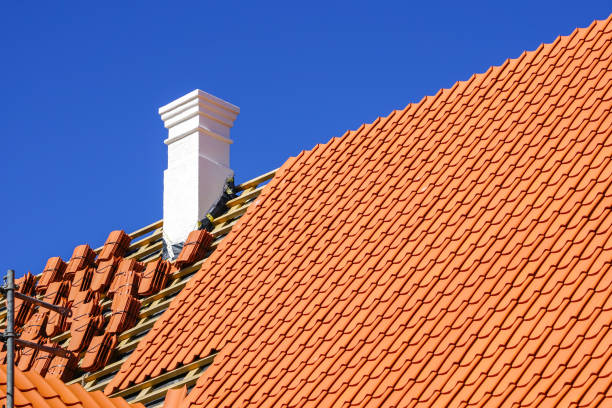
Roof repairs are an essential part of maintaining the integrity and safety of your home. Whether you’re facing minor damage or more significant issues, deciding between tackling the repair yourself or hiring a professional roofing contractor is a critical choice. Both options have their pros and cons, depending on the scope of work, safety considerations, and your level of expertise.
When to Consider DIY Roof Repairs
Taking on small roofing repairs yourself can be cost-effective and rewarding if you have the necessary skills and tools.
- Minor Repairs: Fixing loose shingles, sealing small leaks, or addressing minimal wear-and-tear may not require professional intervention.
- Basic Maintenance Tasks: Clearing gutters, removing debris from the roof surface, or applying protective coatings can safely be done by homeowners.
- Small Budget Constraints: For homeowners on a tight budget, doing smaller repairs themselves can save money.
However, attempting roof repairs without sufficient knowledge carries risks. Always evaluate if the repair is something you can handle safely and efficiently.
Risks of DIY Roof Repairs
- Safety Concerns: Working on a roof comes with inherent dangers such as falls from height or improper use of tools.
- Lack of Expertise: Without proper training, it’s easy to misdiagnose problems or make improper fixes that worsen the situation over time.
- Warranty Issues: Some roofing systems come with warranties that may be voided if unauthorized repairs are made.
When to Hire a Professional Roofing Contractor
For larger or more complex roofing problems, hiring a licensed roofing contractor is often the better option.
- Large leaks
- Damaged flashing
- Structural issues affecting trusses or decking
- Roof Replacements
Replacing your entire roof involves technical expertise in selecting materials, ensuring proper installation methods, and adhering to local building codes. - Specialized Repairs for Complex Roofs
If you have unique materials like slate tiles or metal sheets, professionals will have the tools and knowledge for efficient repair work. - Storm Damage Restoration
After severe weather events such as hailstorms or hurricanes, contractors can assess damages accurately and work with insurance companies for claims assistance.
| Factor | DIY | Hiring a Professional |
| Cost | Lower (initially) | Higher (but includes warranties) |
| Safety | High risk | Minimal risk |
| Expertise Required | Basic | Advanced |
| Time Commitment | Higher (especially for novices) | Lower |
| Warranty Protection | Potentially voided | Usually maintained |
The Benefits of Professional Expertise
- High Quality Workmanship: Certified contractors follow industry standards for every aspect of repair.
- Access to Better Materials: Professionals often source high-quality materials directly from suppliers at better rates.
- Time Efficiency: Experienced teams complete jobs far quicker than untrained homeowners could manage.
- Compliance with Building Codes: Contractors ensure all work meets local regulations regarding safety and structural integrity.
Understanding when it makes sense to hire an expert versus handling minor tasks yourself can protect your home while saving money in the long run. Balancing cost considerations with safety and quality ensures your roof remains functional and reliable for years to come.
Comparing Architectural Shingles and 3-Tab Shingles with a Roofing Contractor Minneapolis MN
When it comes to selecting roofing materials, homeowners often face the decision between architectural shingles and 3-tab shingles. Both options are popular in residential roofing, but they differ in design, lifespan, cost, and functionality. Understanding these differences can help you choose the best option for your home.
What Are Architectural Shingles?
Architectural shingles, also known as dimensional or laminate shingles, are composed of multiple layers of asphalt that create a three-dimensional appearance. They are designed to mimic the look of natural materials like wood or slate while providing superior durability.
Key Features: – Durability: Thick and heavy, offering enhanced protection against weather. Aesthetic Appeal: Textured design adds depth and visual interest to your roof. Longevity: Typically last 25–30 years or more. Cost: Higher upfront cost due to superior quality.
Pros of Architectural Shingles:– Increased resistance to wind (often rated up to 110–130 mph). – Better insulation due to their thickness. – Higher property value due to improved curb appeal.
Cons of Architectural Shingles:– Heavier weight may require additional structural support in some cases. – More expensive compared to 3-tab shingles.
What Are 3-Tab Shingles?
3-tab shingles are a traditional roofing material composed of a single layer of asphalt with cutouts (or tabs) along their bottom edge. They create a uniform, flat appearance on your roof.
Key Features: – Simplicity: Lightweight with a standard flat profile. Affordability: Lower upfront cost compared to architectural shingles. Lifespan: Usually last around 15–20 years with proper maintenance.
Pros of 3-Tab Shingles:– Lower material and installation costs make them budget-friendly. – Suitable for mild climates without extreme weather conditions.
Cons of 3-Tab Shingles:– Less durable and prone to damage from strong winds and hail. – Shorter lifespan compared to architectural options.
Comparing Architectural vs.
| Feature | Architectural Shingles | 3-Tab Shingles |
| Cost | Higher upfront investment | Budget-friendly |
| Durability | Highly durable; withstands harsh weather | Less durable; susceptible to wind/hail damage |
| Aesthetic Appeal | Textured, dimensional look | Flat profile |
| Lifespan | Up to 30+ years | Around 15–20 years |
| Weight | Heavier | Lightweight |
Which Option Is Right for You?
- Budget Constraints: If affordability is your main concern, you might lean toward the economical pricing of 3-tab shingles. However, keep in mind their shorter lifespan may mean replacement costs sooner than anticipated.
- Climate Conditions: For areas prone to severe storms or high winds, architectural shingles offer greater durability and performance under stress.
- Aesthetic Goals: If curb appeal matters for resale value or personal preference, dimensional architectural shingles provide an upscale look that enhances your home’s exterior design.
- Long-Term Investment: Those planning on staying in their homes for decades may find it worthwhile investing in architectural shingles due to their extended lifespan and reliability over time.
When making this decision, consider consulting a professional roofing contractor who can assess your home’s structural needs and recommend the best solution tailored specifically for your property. A well-informed choice ensures not only aesthetic satisfaction but also long-term safety and performance for your roof system.
Top Advantages of Hiring a Professional Roofer Minneapolis MN for Your Home
While some homeowners may consider taking on roofing projects themselves to save money, there are distinct advantages to trusting experienced professionals with this critical aspect of your home.
Expertise and Experience
A professional roofing contractor brings years of hands-on experience and specialized training to the table.
- The correct materials are selected based on your roof’s specific needs.
- Installation or repairs are done according to industry standards.
- Potential issues that may not be immediately visible are identified and addressed.
For example, while a DIY enthusiast might patch a visible leak, a professional will detect underlying structural damage or ventilation problems that caused the issue in the first place.
Superior Quality Materials
Professional roofing contractors have access to high-quality materials that may not be available at local hardware stores. Additionally, they often work with trusted suppliers and can recommend products designed for durability and performance.
- Warranties on materials for added peace of mind.
- Options tailored to specific climates (e. g. , shingles designed for high winds or extreme weather).
They also know how to source these materials cost-effectively without compromising quality.
Safety Considerations
Roofing work often involves working at heights, using power tools, and navigating steep slopes — all of which pose potential risks if not handled correctly.
- The use of proper safety equipment such as harnesses and stabilizers.
- Adherence to OSHA guidelines and other safety standards.
- Adequate insurance coverage in case of accidents during the project.
By hiring a licensed contractor, you also reduce liability concerns as their insurance typically covers workers’ injuries or property damage.
Time Efficiency
Roofing projects can be time-consuming for untrained individuals who aren’t familiar with industry best practices or techniques. A professional roofing contractor has the experience needed to complete tasks efficiently without sacrificing quality.
| Task | DIY Timeframe | Professional Timeframe |
| Shingle Replacement | 2–3 days | 1 day |
| Leak Repair | 1–2 days | Same day |
| Full Roof Replacement | 1–2 weeks | 3–4 days |
Hiring a pro ensures timely completion so you can avoid prolonged disruptions to your daily routine.
Cost Savings Over Time
While it may seem like DIY roofing is cheaper upfront, mistakes made during installation or repairs can lead to costly problems down the line.
- Proper installation techniques that extend roof lifespan.
- Early detection of minor issues before they escalate into major repairs.
- Warranty-backed workmanship for added protection against defects.
Additionally, contractors often have established relationships with suppliers and can secure bulk discounts on materials—savings that may offset some labor costs.
Enhanced Curb Appeal and Property Value

A professionally installed or repaired roof not only looks better but also enhances the overall curb appeal of your property.
- A well-maintained roof boosts buyer confidence.
- It increases resale value by improving energy efficiency and aesthetics.
Buyers are more likely to pay top dollar for homes with roofs backed by warranties from reputable contractors.
Making informed decisions about your home’s roofing needs is crucial for protecting one of your most significant investments—your home itself. By hiring a professional roofing contractor instead of attempting risky DIY projects, you ensure expert craftsmanship, long-term savings on repairs or replacements, and peace of mind knowing the job is done right from start to finish.
Discover the Benefits of Expert Roofing Services Minneapolis MN for Your Home
While some homeowners may consider handling roofing tasks themselves to save costs, the expertise and benefits offered by professionals often outweigh the risks and challenges associated with DIY approaches. Below are some of the top advantages of hiring a professional roofing contractor for your home.
Expertise and Knowledge
Professional roofing contractors bring years of training and field knowledge to every project.
- Accurate Assessments: Contractors can identify hidden issues like water damage, weak spots, or structural problems that might go unnoticed.
- Material Knowledge: They are familiar with the best materials for your specific roof type and climate.
- Proper Installation Techniques: Professionals adhere to industry standards to ensure long-lasting results.
Their ability to diagnose issues accurately prevents potential complications down the road.
Time Efficiency
Roofing projects can be time-intensive if handled without prior experience.
- Access to specialized tools helps them complete tasks faster.
- Their streamlined processes minimize disruptions to your daily routine.
- Project timelines are clearly defined, helping you plan accordingly.
This level of organization ensures that even complex projects stay on schedule.
Safety Considerations
Roof work involves inherent risks such as falls, exposure to extreme weather conditions, or injuries from equipment misuse.
- Training: Professionals undergo safety training and certifications.
- Use of Safety Gear: They use harnesses, ladders, and other equipment designed for secure work at heights.
- Compliance with Regulations: Contractors follow local building codes and OSHA guidelines for workplace safety.
By hiring experts, you reduce the likelihood of accidents or liabilities during roof work.
Cost Efficiency in the Long Run
While a DIY approach might seem less expensive upfront, mistakes can lead to costly repairs later.
| Benefit | Impact |
| Warranties | Coverage for labor and materials |
| Bulk Purchasing Power | Access to high-quality materials at lower costs |
| Proper Initial Installations | Avoidance of future repair expenses |
Investing in professional services protects you from unnecessary expenditures over time.
Access to Modern Technology and Tools
- Thermal Imaging Cameras: Detect leaks or insulation gaps.
- Precision Cutting Tools: Ensure accurate material measurements.
- Drones & Inspections Technology: Provide comprehensive overviews before starting projects.
These innovations enable contractors to deliver superior results compared to manual methods used by amateurs.
Peace of Mind
- They carry liability insurance in case of damages during work.
- You receive written guarantees outlining project scope and warranty terms.
- Their credibility minimizes stress about unforeseen issues during or after the job is completed.
This reliability ensures that you have one less thing to worry about when dealing with home maintenance tasks.
Whether it’s a minor repair or a full roof replacement job, enlisting the help of a professional roofing contractor simplifies complex tasks while ensuring quality results. From their technical skills to safety measures and access to premium resources, they offer numerous advantages that make them an invaluable asset for any homeowner seeking peace of mind with their roofing project.
Signs You Need Roof Repair and a Professional Roofing Contractor
Roof replacement is a significant investment in your home, and knowing when it’s time to call in a professional roofing contractor is crucial. While minor repairs may be manageable for some homeowners, replacing an entire roof is a complex and labor-intensive task that requires expertise, precision, and industry knowledge. Below, we’ll explore key signs that indicate it’s time to hire a professional for roof replacement, as well as the benefits of relying on skilled contractors.
Signs It’s Time for Roof Replacement
A roof’s lifespan depends on its material and maintenance, but even the most durable roofs inevitably wear out.
- Widespread Damage: Issues like cracked shingles, curling edges, or significant granule loss could signal that repairs won’t suffice. If these problems are widespread rather than localized, replacement is often the better option.
- Sagging Roof Structure: If your roof appears uneven or sagging in certain areas, it could point to compromised decking or support structures—an issue that demands professional attention.
- High Energy Bills: Poor insulation due to an old or damaged roof can lead to increased energy costs. A new roof with proper insulation can restore energy efficiency.
Benefits of Hiring a Professional Roofing Contractor
- Expert Assessment: Contractors conduct thorough inspections to determine whether repair or replacement is truly necessary. They’ll identify hidden issues like mold growth or rotting wood beneath the surface.
- Access to Quality Materials: Professionals source durable materials designed for longevity and specific weather conditions in your area.
- Efficient Installation: Experienced crews complete projects efficiently without sacrificing quality workmanship.
- Safety-Assured Process: With proper tools and training, contractors mitigate the risk of accidents that are common during DIY roofing projects.
- Warranty Protection: Most professional installations include warranties covering both materials and labor—offering peace of mind.
Comparing Costs: DIY vs Professional Services
Although DIY roofing might seem cost-effective at first glance, errors during installation often lead to higher expenses over time due to improper sealing or inadequate structural support.
| Aspect | DIY Costs | Professional Costs |
| Tools & Equipment | Initial investments needed | Included in contractor fees |
| Material Sourcing | Retail pricing | Contractor discounts |
| Labor | Personal time investment | Skilled crew |
| Long-Term Repairs | Higher likelihood | Reduced chance with warranty |
Hiring professionals ensures you’re not only investing wisely but also enhancing your home’s long-term structural integrity.
Final Thoughts on Choosing Expertise Over DIY
Recognizing when professional assistance becomes necessary protects both your home and finances from potential risks associated with improper methods. While smaller fixes might seem manageable on your own, larger undertakings like full roof replacements demand careful planning and execution best left in expert hands.
Safety, Quality, and Expertise: Why DIY Roof Repairs May Not Be the Best Choice
When it comes to roof repairs, many homeowners are tempted to take the do-it-yourself (DIY) route to save money or feel a sense of accomplishment. However, roofing is not only a technically demanding task but also one that carries significant safety risks. This article explores why DIY roof repairs may not be the best choice and highlights the importance of relying on professionals for roof maintenance and repairs.
The Risks of DIY Roof Repairs
Roofing projects require more than basic tools and skills.
- Falls from roofs are one of the leading causes of home-improvement-related injuries. Without proper safety equipment like harnesses, non-slip footwear, and scaffolding, climbing onto a roof can be dangerous.
- Weather conditions such as wind or rain can make working on a roof even riskier for inexperienced individuals.
- Misdiagnosing an issue can turn what seemed like a small repair into a much larger—and more expensive—problem later. For example, improperly sealing leaks can lead to water damage inside your home over time.
- Roofing materials vary in quality and type (asphalt shingles, metal roofing, slate tiles), each requiring specific techniques for repair or replacement.
- Professional roofing contractors use specialized tools that may not be readily available at your local hardware store. Using improper tools could result in subpar repairs or further damage to your roof.
Advantages of Professional Roofing Contractors
Hiring an experienced roofing contractor ensures that the job is done efficiently and safely while protecting your investment in your home.
- Expertise
Roofing contractors undergo extensive training to handle various roofing systems effectively. They have experience diagnosing problems accurately and implementing long-lasting solutions tailored to each roof’s unique structure and material. - Safety Standards
Professionals follow strict safety practices while working at heights, minimizing risks associated with falls or accidents during repairs. - Quality Assurance
By hiring certified contractors, you gain access to high-quality materials and workmanship backed by warranties—a peace-of-mind guarantee you won’t get with DIY efforts. - Time Efficiency
Roofing experts complete projects faster because they have the necessary skills, tools, and workforce ready to execute repairs promptly without compromising quality.
A Side-by-Side Comparison: DIY vs Professional Repairs
| Aspect | DIY Roof Repairs | Professional Contractors |
| Safety | High risk due to lack of training | Adherence to advanced safety measures |
| Tools/Equipment | Limited availability | Access to specialized tools |
| Cost | Low upfront cost but higher risks long-term | Upfront cost includes warranties |
| Expertise | Limited knowledge | Extensive training & experience |
| Time Commitment | Potentially lengthy | Efficient completion |
When It’s Okay to Consider Small DIY Maintenance
- Cleaning gutters regularly to prevent water buildup.
- Inspecting shingles visually from the ground or with binoculars for obvious damages.
- Removing debris such as branches from roofs using safe methods (e. g. , working from a ladder rather than walking on the roof).
Even these tasks should only be carried out if you feel confident in your ability and have appropriate equipment like ladders stabilized properly.
Ultimately, while tackling some aspects of home improvement yourself can be rewarding, roofing is often best left in professional hands due its complex nature and associated hazards. Prioritizing expertise over short-term savings ensures lasting quality while protecting both you and your property from unnecessary risks or additional costs down the line.
- 10 Common Roof Repair Issues That Demand Immediate Attention by a Minneapolis Roofing Company
- Key Components of Your Roof and Materials Explained by a Minneapolis Roofing Company
- Efficient Roof Repair Solutions for Common Roofing Problems and Long-Lasting Results
- Understanding Roof Repairs: Choosing a Minneapolis Roofing Company or DIY Solutions
- Identifying Key Warning Indicators: When to Call a Minneapolis Roofing Company
- How to Spot Roofing Issues with Help from a Minneapolis Roofing Company
- The Importance of Hiring a Licensed and Insured Minneapolis Roofing Company for Your Home
- Top 5 Preventive Tips from a Roofing Contractor Minneapolis MN Every Homeowner Should Know