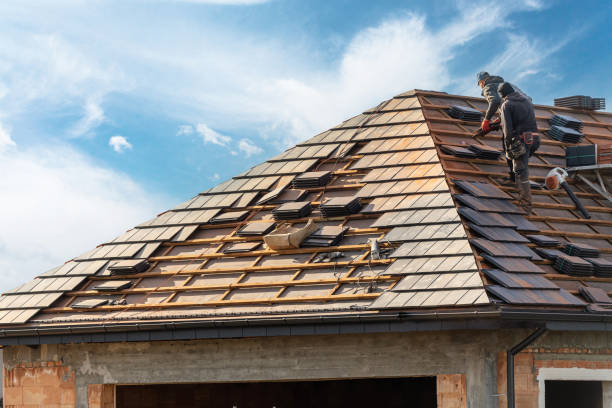
Your home’s roof is one of its most critical structures, designed to protect your loved ones and your belongings from the elements. Unfortunately, roofing issues can escalate quickly when left unaddressed. Recognizing the early warning signs of a potential roofing crisis can prevent extensive damage, costly repairs, and even safety hazards. Below are some key indicators that your roof may require immediate attention.
Visible Damage on the Roof’s Exterior
- Cracked, curled, or missing shingles: These can indicate weather-related wear or aging materials.
- Sagging areas: This could suggest structural issues due to water damage or weakened supports.
- Granule loss: If you notice excessive granules in your gutters or downspouts, it may mean your shingles are nearing the end of their lifespan.
Use a pair of binoculars for a closer inspection from ground level if climbing onto the roof isn’t safe or practical.
Leaks and Water Stains Inside Your Home
- Water stains on ceilings or walls (often yellowish in color).
- Dripping water during rainstorms near windows or light fixtures.
- Peeling paint on walls caused by excess moisture infiltration.
Mold and Mildew Growth Around Your Roofline
Mold and mildew thrive in moist environments caused by leaks or poor ventilation within the attic space. Common areas to inspect include corners where walls meet ceilings near exterior edges of the home.
Indicators Found in Your Attic Space
- Daylight seeping through: If you notice light coming through gaps between roof boards, it could be a sign that shingles have shifted or deteriorated.
- Moisture accumulation: Excessive humidity may point to inadequate ventilation or small leaks.
- Rusty nails: These indicate high moisture levels that need addressing immediately.
Assessing Roof Flashing Conditions
| Area | Potential Issues |
| Chimneys | Cracked caulking leading to leaks |
| Skylights | Improper sealing causing water seepage |
| Valleys | Rusted flashing leading potentially pooling water |
Ensure flashing remains intact during regular maintenance schedules! Damaged pieces should always get replaced ASAP .
When To Contact Professional Roofing Contractor Urgently?
If unsure while safely confirming above details OR suspecting additional ‘hidden risks’ , Better err caution contacting Pro-team directly ! Taken care promptly avoids bigger escalations longer term likely ensure lifespan system
Interior Signs Your Roof May Need Replacement: Tips from a Roofing Contractor Minneapolis MN
Your roof plays a vital role in protecting your home and ensuring the safety and comfort of your family. While many homeowners focus on exterior warning signs such as missing shingles or water pooling, interior indicators can often reveal critical roofing issues that require immediate attention. Understanding these signs and addressing them promptly can save you time, money, and stress.
1. Stains or Discoloration on Ceilings and Walls
If you notice dark spots, streaks, or stains forming on your ceilings or walls, this could be an indication of water infiltration caused by a compromised roof. These stains may appear yellowish-brown and are often a result of moisture seeping through damaged shingles or flashing.
What to look for: – Yellow or brown circular stains on the ceiling. – Discoloration along corners where walls meet ceilings. – Mold growth in areas showing moisture buildup.
2. Sagging Ceilings
A sagging ceiling is one of the more serious indications that water damage has already affected the structure beneath your roof. This sign should not be ignored as it may point to long-term water intrusion leading to weakened support systems.
Possible causes: – Prolonged exposure to leaks. – Accumulation of water within insulation layers. – Decaying wood frames due to consistent moisture absorption.
3. Presence of Mold or Mildew
Mold or mildew growth inside your home is often linked to excess humidity levels caused by a leaky roof. When moisture seeps into attic spaces, it creates an environment conducive to fungal growth.
Health risks associated with mold: – Respiratory issues like asthma complications. – Allergic reactions such as sneezing and skin irritation.
To prevent further health hazards: – Inspect attic ventilation for proper airflow. – Repair leaks immediately before mold spreads further.
4. Peeling Paint and Wallpaper
Peeling paint or bubbling wallpaper can be another common interior sign of roofing problems. When water infiltrates through the roof, it can disrupt the adhesion between paint or wallpaper and the wall surface beneath it.
Common areas for observation: – Walls near chimneys or skylights. – Surfaces under attic spaces prone to leaks during rainfall.
5. Increased Humidity Levels Indoors
A sudden rise in indoor humidity levels could indicate roof leaks allowing moisture into your home’s insulation system. High humidity may result in condensation forming along windowsills, floors, and interior walls during colder months.
How to address this issue: | Step | Action | |———————|—————————————-| | Inspect Insulation | Check for dampness in attic insulation layers. | | Seal Leaks | Identify areas where moisture penetrates the roof structure using professional tools such as infrared cameras if needed.|
6. Light Penetrating Through Attic Spaces
If light is visible through cracks or gaps in your attic ceiling during daylight hours, this strongly suggests structural compromise in your roofing system. These openings may also serve as entry points for pests or precipitation over time.
Key considerations: – Gaps between shingles might widen due to wear-and-tear over time. – Flashing around vents may deteriorate, creating small openings.
By addressing these interior warning signs early on, homeowners can mitigate more extensive damage while extending their roof’s lifespan effectively.
Signs You Need a Roofer Minneapolis MN for a Roof Replacement
Your roof is a critical component of your home’s structure, protecting your family from the elements. While external damage like missing shingles or cracked tiles is often easy to spot, the interior warning signs of a deteriorating roof are equally important. Here are key indicators homeowners should watch for inside their homes that may signal the need for a roof replacement.
1. Water Stains on Ceilings and Walls
Water stains are one of the most common interior indicators of a roofing issue. These stains often appear as discolored patches on ceilings or walls and may vary in size and severity. Common causes include:
– Leaks caused by damaged or aging shingles
– Clogged gutters leading to water overflow
– Cracks in the roofing underlayment
If you notice water spots, ensure they are inspected promptly to prevent further structural damage or mold growth.
2. Sagging Areas on Your Ceiling
A sagging ceiling could be a more serious sign that water has accumulated above it for an extended period. This may point to significant damage in:
– The roof decking
– The insulation layers beneath the roof
Immediate attention is required, as neglecting this sign can lead to further degradation or even collapse.
3. Mold or Mildew Growth Indoors
Excessive moisture entering your home due to a compromised roof can create an ideal environment for mold and mildew. Look out for:
– A musty odor in certain rooms or attic spaces
– Black, green, or gray spots on ceilings and walls
Mold not only damages your property but also poses health risks such as respiratory issues for household members.
4. Visible Light Penetrating Through Attic Spaces
If light from outside is visible through your attic’s ceiling during the day, it’s likely that cracks, holes, or gaps exist in your roofing structure. This situation may result from:
– Worn-out flashing around vents or chimneys
– Missing shingles exposing underlayers
These openings can allow water infiltration while also reducing energy efficiency by letting conditioned air escape.
5. Unexpected Drafts Indoors
A failing roof can lead to unexpected drafts inside your home due to poor insulation or gaps in roofing materials. Signs of drafts include:
– Rooms feeling colder than usual despite heating systems running efficiently
– Higher energy bills resulting from heat loss
Addressing these issues quickly prevents further insulation problems and reduces long-term costs.
Key Interior Warning Signs You Need Roofing Services Minneapolis MN
| Warning Sign | Possible Cause | Recommended Action |
| Water stains | Leaky shingles, damaged flashing | Roof inspection & repair |
| Sagging ceilings | Long-term water accumulation | Immediate structural assessment |
| Mold growth | Moisture penetration | Mold removal & roofing evaluation |
| Visible light in attic | Holes/cracks in roofing underlayment | Repair/replacement of damaged sections |
| Indoor drafts | Poor insulation/gaps caused by wear | Insulation upgrade & sealing gaps |
When Should You Act?
It’s crucial not to ignore these warning signs once they appear inside your home. Delayed action could lead to increased repair costs, compromised safety, and even health concerns stemming from prolonged structural issues. Regular inspections—both inside and out—can help detect problems early and ensure that your home remains safe and energy-efficient year-round.
How Roof Repair Can Improve the Longevity and Safety of Your Roof

The lifespan and safety of your roof are directly tied to its age. Over time, roofing materials naturally degrade due to constant exposure to environmental factors like sun, rain, wind, and temperature fluctuations. Understanding how your roof’s age affects its structural integrity not only helps you plan for timely repairs or replacements but also ensures the safety and efficiency of your home.
Typical Lifespans of Common Roofing Materials
| Roofing Material | Average Lifespan |
| Asphalt Shingles | 20-30 years |
| Wood Shingles/Shakes | 25-35 years |
| Metal Roofing | 40-70 years |
| Clay/Concrete Tiles | 50+ years |
| Slate Roofing | 75-100+ years |
Asphalt shingles are one of the most commonly used materials in residential properties due to their affordability and ease of installation. However, they tend to have a shorter lifespan compared to premium options like metal or slate.
Signs Your Aging Roof May Be Reaching Its Limit
- Curling or Buckling Shingles: This can occur after prolonged exposure to moisture and heat over the years.
- Granule Loss: Asphalt shingles lose protective granules as they age, leaving them vulnerable to UV damage.
- Sagging Areas: A sagging roof may indicate structural issues or damage beneath the surface layers.
- Frequent Leaks: Older roofs often develop leaks as weatherproofing elements fail.
If you notice these signs on an older roof, it might be time for an inspection by a professional contractor.
Why Roof Age Matters for Safety
- Weakened Structural Integrity: Over time, materials degrade, increasing the risk of collapse during severe weather events or under heavy loads like snow.
- Moisture Intrusion: Older roofs are more susceptible to leaks, leading to mold growth and water damage in your attic or ceilings.
- Reduced Fire Resistance: Some older materials may lose their fire-resistant properties over decades.
Factors That Can Accelerate Aging
- Poor ventilation in the attic
- Inadequate maintenance (e.g., failing to clean gutters)
- Harsh climates with extreme heat or freezing temperatures
- Storm damage such as hail impacts or high winds
By addressing these contributing factors early on through maintenance and inspections, you can maximize your roof’s lifespan while maintaining its protective qualities.
When Replacement Becomes Necessary
- Upgrading from asphalt shingles to metal roofing provides increased longevity and better resistance against harsh weather.
- Choosing energy-efficient shingles can help regulate indoor temperatures while reducing utility bills.
Regular inspections every few years—particularly as your roof approaches its expected lifespan—are essential for identifying potential problems before they escalate into costly repairs or safety risks.
Weather-Related Damage and Its Effect on Your Roof’s Condition
Weather can significantly impact the condition of your roof, often causing damage that, if left unaddressed, may lead to costly repairs or even a complete roof replacement. Understanding how weather-related damage occurs and recognizing its signs can help homeowners maintain the structural integrity of their property. Below is a detailed overview of how different types of weather can affect your roofing system.
Types of Weather-Related Roof Damage
- Hailstones can cause dents or cracks in roofing materials, such as asphalt shingles, metal panels, or tiles.
- These impacts may loosen granules on shingles, reducing their ability to protect against UV rays and moisture.
- Look for circular depressions or areas where granules appear uneven or missing.
- Prolonged rain exposure can lead to leaks if the roof has weak points or compromised flashing.
- Standing water caused by poor drainage may result in moisture penetration and eventual mold growth.
- Sagging spots in the roofline could indicate water pooling issues that require immediate attention.
- Strong winds can lift shingles or cause them to tear away completely.
- Damaged flashing around vents, chimneys, or skylights is another common consequence.
- Debris carried by wind may also puncture roofing materials when it strikes at high speeds.
- Ice dams form when melting snow refreezes at the edges of your roof, preventing proper drainage and forcing water under shingles.
- Heavy snow accumulation adds significant weight, potentially straining structural components of both the roofing system and home foundation.
- Look for icicles forming at the edges of gutters, as this could point to improper insulation or ventilation issues.
- Intense sunlight over time can cause materials like asphalt shingles to crack, warp, or fade in color.
- Thermal expansion during hot seasons weakens seals around joints and flashings.
Key Warning Signs of Weather-Related Roof Issues
- Missing or curled shingles indicating possible wind damage
- Dark streaks caused by algae growth from excessive moisture
- Water stains on interior ceilings signaling leaks
- Cracks in flashing near vents or chimneys
- Granule buildup in gutters suggesting hail damage
Proactive Tips for Protecting Your Roof from Weather Damage
- Schedule routine inspections after major storms to identify potential vulnerabilities early.
- Trim overhanging tree branches that could fall onto your roof during high winds.
- Ensure gutters are clean and free-flowing to prevent water accumulation during heavy rains.
- Install protective underlayment beneath shingles for added waterproofing benefits.
| Weather Condition | Common Impact on Roof | Suggested Action |
| Hail | Dents/cracked shingles | Inspect post-storm; replace damaged areas |
| Rain | Moisture infiltration | Address leaks promptly |
| Wind | Missing/torn shingles | Reinforce with proper installation |
| Snow/Ice | Ice dams/weight stress | Remove snow safely; improve insulation |
By staying vigilant about weather-related risks and performing regular maintenance checks after storms or seasonal changes, you can extend your roof’s lifespan while safeguarding your home’s overall structure.
How Pests and Wildlife Intrusions Can Compromise Your Roofing System
Your roof plays a critical role in protecting your home, but it is also a target for pests and wildlife. Animals like squirrels, raccoons, birds, and even insects can make their way into your roofing system, causing damage that may lead to costly repairs if left unaddressed. Recognizing how these intrusions can compromise your roof can help you take proactive steps to safeguard your home.
Common Types of Pests That Target Roofing Systems
Certain types of pests are more likely to cause damage to roofs. Here are a few common culprits:
– Squirrels: Known for chewing through roofing materials to access attics or create nests.
– Raccoons: These animals are surprisingly strong and can tear off shingles or widen existing gaps in the roof.
– Birds: Birds often build nests in gutters or soffits, which can block water flow and lead to water damage.
– Insects (such as termites or carpenter ants): These pests feed on wooden components of the roof structure, weakening its integrity over time. – Bats: Bats typically enter through small gaps under shingles or vents, leaving behind droppings that can create health risks.
How Wildlife Intrusions Compromise Your Roof
- Animals like raccoons or squirrels may physically tear apart shingles, flashing, or underlayment while trying to gain entry.
- Insects such as termites weaken wooden support beams over time by feeding on them from the inside out.
- Damaged areas caused by wildlife create openings where water can seep through during rainstorms.
- Bird nests in gutters obstruct proper drainage, leading to standing water that may pool onto the roof.
- When pests infiltrate attics via your roof, they often disturb insulation materials, reducing their effectiveness.
- Gaps created by wildlife may allow air leaks that increase energy consumption and cause higher utility bills.
- Animal droppings left inside attics pose health risks due to bacteria and pathogens.
- Certain infestations (e.g., rodents) may spread diseases throughout the home environment.
Warning Signs of Pest Activity on Your Roof
Look for these signs that indicate potential pest intrusion into your roofing system:
– Scratching or scampering noises coming from the ceiling or walls.
– Visible nests near soffits, eaves, or chimneys.
– Missing shingles or small holes along roofing surfaces. – Unusual odors caused by droppings or decaying organic material in the attic space. – Chewed wires, wood beams, or insulation within attic areas.
Preventative Measures for Avoiding Pest Intrusions
| Preventative Measure | Description |
| Regular Inspections | Conduct seasonal checks for any visible signs of damage or intrusion points. |
| Proper Sealing | Seal gaps around vents, chimneys, skylights with durable weatherproof materials. |
| Trimming Overhanging Branches | Prevent easy access for climbing animals like squirrels by keeping trees trimmed. |
| Installing Mesh Covers | Place durable mesh screens over vents and chimney openings for added protection. |
| Cleaning Gutters | Clear debris regularly to prevent bird nesting activity within gutter systems. |
By addressing potential vulnerabilities proactively using these tips above – homeowners will greatly reduce their risk toward long-term costly damage stemming from unexpected wildlife interference affecting both functional durability + aesthetics long term performance
Unexpected Energy Costs and Their Connection to a Failing Roof
A sudden spike in energy costs can be a clear indicator that your roof isn’t functioning as it should. Your home’s roofing system plays a critical role in maintaining insulation and temperature regulation. When something goes wrong with the roof, it can lead to inefficiencies that directly impact your monthly energy bills.
How a Failing Roof Impacts Energy Efficiency
- Poor Insulation: Missing shingles, gaps, or cracks in the roof can lead to warm air escaping during winter and cool air leaving during summer. This forces HVAC systems to work harder.
- Ventilation Problems: A poorly ventilated roof traps excessive heat or moisture in the attic space, leading to increased demand for cooling systems.
- Sun Damage: Over time, UV rays can weaken roofing materials, reducing their ability to reflect sunlight effectively. This increases indoor heat absorption.
Signs Your Roof May Be Driving Up Energy Costs
- Drafts near ceilings or walls
- Noticeable temperature fluctuations between rooms
- Condensation or moisture buildup in the attic space
- Visible damage like missing shingles, sagging areas, or leaks
Steps to Address Roofing-Related Energy Issues
- Schedule a Professional Roof Inspection: Roofing contractors can identify hidden issues such as damaged flashing, poor insulation, or structural weakness.
- Seal Gaps and Cracks: Fix any visible cracks around chimneys, vents, and skylights that allow air leakage.
- Upgrade Insulation: Adding insulation materials such as foam boards or reflective coatings can enhance thermal efficiency.
- Repair Damaged Shingles: Replace worn or missing shingles promptly to prevent further energy loss.
Cost Comparison Table for Repairs vs Replacement
| Repair/Replacement Option | Average Cost Range | Benefits | Lifespan After Repair/Install |
| Minor Repairs | $300 – $600 | Quick fix for small damages | 5 – 10 years |
| Moderate Repairs | $700 – $1,500 | Addresses larger issues like gaps | 10 – 15 years |
| Full Roof Replacement | $7,000 – $15,000 | Solves all problems comprehensively | 20 – 50 years (material-dependent) |
By weighing these options carefully alongside professional advice, you’ll ensure your home remains energy-efficient while protecting against future expenses.
Investing time in assessing how your roof might contribute to unexpected energy costs is essential. Regular maintenance combined with timely action not only saves money but protects one of your home’s most valuable assets — its roofing system.
- 10 Common Roof Repair Issues That Demand Immediate Attention by a Minneapolis Roofing Company
- Key Components of Your Roof and Materials Explained by a Minneapolis Roofing Company
- Efficient Roof Repair Solutions for Common Roofing Problems and Long-Lasting Results
- Understanding Roof Repairs: Choosing a Minneapolis Roofing Company or DIY Solutions
- Identifying Key Warning Indicators: When to Call a Minneapolis Roofing Company
- How to Spot Roofing Issues with Help from a Minneapolis Roofing Company
- The Importance of Hiring a Licensed and Insured Minneapolis Roofing Company for Your Home
- Top 5 Preventive Tips from a Roofing Contractor Minneapolis MN Every Homeowner Should Know