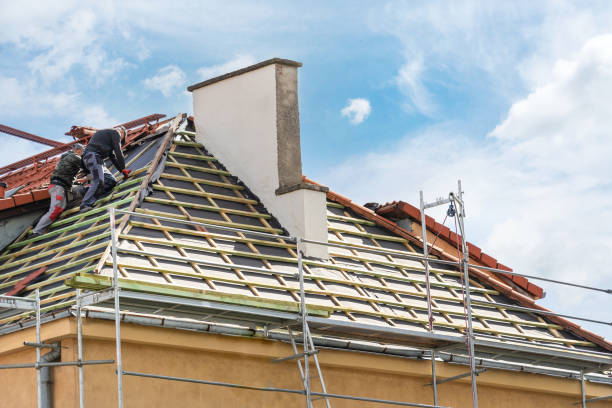
Comprehensive Roofing Services Minneapolis MN: Preventing Leaks and Water Intrusion
Water leaks are one of the most common roofing problems. They can lead to structural damage, mold growth, and other costly repairs if left unattended. Signs of water intrusion include:
– Damp spots or water stains on ceilings or walls
– Dripping water during rainstorms
– Visible puddles in the attic
How to Handle Roof Repair for Missing or Damaged Shingles
Missing or broken shingles weaken your roof’s ability to act as a protective barrier against external elements. Look out for:
– Bald spots on your roof where shingles are missing
– Shingles curled at the edges or cracked down the middle
3. Clogged Gutters and Drainage Issues
Clogged gutters prevent proper water flow, leading to pooling water that can damage your roof’s foundation over time. Warning signs include:
– Overflowing gutters during rainfall
– Accumulation of debris like leaves, twigs, or dirt in gutter systems
4. Cracked Flashing
Flashing is essential for sealing joints and preventing water from seeping through vulnerable areas like chimneys or vents. Over time, flashing may crack or corrode due to exposure to weather elements.
5. Sagging Roof Decking
A sagging roof is often a sign of serious structural issues such as excessive weight load (from snow) or prolonged moisture exposure. If you notice dips in the structure, it’s critical to have it inspected immediately.
| Possible Causes | Impact | Solution |
| Excessive snow accumulation | Risk of collapse | Snow removal services |
| Prolonged leaks | Weak decking material | Decking replacement |
6. Poor Ventilation
Inadequate ventilation causes heat and moisture buildup in your attic space which leads to premature aging of shingles and potential mold growth.
7. Animal Damage
Animals such as birds, squirrels, or raccoons can cause significant damage by creating holes in roofing materials when seeking shelter within attics.
8. Ponding Water on Flat Roofs
Flat roofs are more susceptible to accumulating standing water after heavy rains – this increases wear-and-tear risks along seams/borders..
How to Identify Missing or Damaged Roof Tiles with a Trusted Roofing Contractor Minneapolis MN
A well-maintained roof is critical to protecting your home from the elements and ensuring its structural integrity. Missing or damaged roof tiles may seem like a minor issue, but they can lead to significant problems if left unaddressed. This guide will help you identify compromised tiles, understand their potential impact, and take proactive measures to resolve issues.
Signs of Missing or Damaged Roof Tiles
- Visible Gaps or Holes: Missing tiles often leave obvious gaps in your roofing structure, which can be seen from the ground or through an inspection.
- Water Stains Indoors: Moisture seeping into your home through damaged areas can create water stains on ceilings and walls.
- Cracked or Broken Tiles: Regular wear-and-tear or harsh weather conditions may leave individual tiles cracked or broken.
- Debris in Gutters: Pieces of broken tiles often wash down into gutters, signaling potential damage on the roof above.
- Sagging Roof Sections: If water damage has occurred due to missing tiles, certain sections of your roof may begin to sag over time.
The Impact of Missing or Damaged Roof Tiles
- Water Damage
Missing tiles expose the underlying layers of your roof to rainwater, leading to leaks and water ingress that can damage insulation, ceilings, walls, and even electrical systems. - Increased Energy Bills
A compromised roof disrupts energy efficiency by allowing heat loss during the winter and heat gain during the summer months. This forces HVAC systems to work harder than necessary. - Structural Weakening
Persistent exposure to moisture weakens wooden structures beneath the roofing material, potentially compromising the overall stability of your home. - Mold Growth
Moist environments created by leaks provide ideal conditions for mold growth, which can pose health risks such as respiratory issues. - Reduced Property Value
Homes with visibly damaged roofs are less attractive to buyers, reducing resale value significantly.
| Problem | Potential Impact | Suggested Action |
| Missing Tiles | Water leakage; structural damage | Replace missing tiles immediately |
| Cracked/Broken Tiles | Diminished protection; further breakage | Inspect and replace affected areas |
| Sagging Roof Sections | Compromised stability | Verify cause & consult a contractor |
| Debris in Gutters | Clogging; hidden damage | Clear gutters & inspect for issues |
Steps for Addressing Missing or Damaged Tiles
- Conduct regular visual inspections after storms or high winds for any visible signs of missing or damaged tiles.
- Hire a professional Minneapolis Roofing Company for an annual inspection.
- Promptly replace individual broken tiles using matching materials.
- Ensure proper sealing around replacement tiles to prevent further water ingress.
- For extensive damage across large sections of a roof, consulting with specialists about re-roofing may be more cost-effective than repeated repairs.
By staying vigilant about maintaining intact roofing materials and addressing small problems before they escalate into major concerns, homeowners can safeguard their properties from preventable damages while maximizing the lifespan of their roofs.
Protecting Your Roof Structure: Tips from a Roofer Minneapolis MN Expert
Water ingress and roof leaks are among the most common issues homeowners face. These problems, if left untreated, can lead to severe structural damage and costly repairs. Understanding the causes, signs, and preventive measures for leaks can help maintain the integrity of your roof and protect your home.
Common Causes of Roof Leaks
- Damaged or Missing Shingles: Strong winds or heavy storms can dislodge shingles, leaving your roof vulnerable to water penetration.
- Cracked Flashing: Flashing seals roof joints and prevents water from seeping in. Over time, it may crack or corrode, compromising its effectiveness.
- Clogged Gutters: When debris like leaves and dirt accumulates in gutters, it obstructs water flow, causing pooling that may lead to leaks.
- Improper Installation: Poor workmanship during initial installation often results in weak points where water can enter over time.
- Aging Roofing Materials: All roofing materials degrade over time due to exposure to weather elements, making older roofs more susceptible to leaking.
Recognizing Signs of Water Ingress
- Stains on Ceilings or Walls – Yellowish stains often signal water intrusion from above.
- Dripping Water – An obvious sign that requires immediate action.
- Peeling Paint or Wallpaper – Moisture behind walls may cause finishes to peel away.
- Mold Growth – Persistent dampness fosters mold development on ceilings or walls.
- Warped Roofing Materials – Bulging shingles or sagging sections could be signs of water damage beneath your roof.
The Risks Associated with Untreated Leaks
| Risk | Impact |
| Structural Damage | Prolonged exposure weakens wooden beams and supports within your home |
| Mold & Mildew Growth | Can lead to health problems such as allergies or respiratory issues |
| Increased Repair Costs | Small issues snowball into larger expenses when left unresolved |
| Insulation Deterioration | Waterlogged insulation becomes ineffective at temperature regulation |
Steps You Can Take to Protect Your Roof
- Schedule annual roofing inspections by qualified professionals.
- Clear gutters regularly to prevent blockages that could cause pooling.
- Replace damaged shingles immediately after storms or high winds.
- Inspect flashing around chimneys, skylights, and vents periodically for cracks.
- Trim overhanging branches that could damage your roof during storms.
By staying proactive with maintenance and addressing early warning signs swiftly, you can ensure lasting protection for your roof structure while avoiding unnecessary repair costs down the line.
Cracked Flashing Explained: How It Affects Your Roof’s Longevity
Cracked flashing is often an overlooked yet critical issue in maintaining a durable and long-lasting roof. Flashing, typically made of metal or other waterproof materials, serves as a protective barrier at roof joints, chimneys, vents, and skylights. When flashing becomes cracked or damaged, it compromises the structural integrity of your roof and makes it susceptible to water damage.
What Causes Flashing to Crack?
- Weather-related stress: Prolonged exposure to extreme weather conditions such as heavy rain, strong winds, or freezing temperatures can weaken flashing over time.
- Poor installation: Improperly installed flashing may not seal properly, leaving it vulnerable to cracking from stress or movement.
- Aging materials: Older roofs may have flashing made from materials that degrade over time. This natural wear and tear can lead to cracks and splits.
- Thermal expansion and contraction: Metal flashing expands in heat and contracts when temperatures drop. Repeated cycles of this process can cause cracks to form over time.
The Impact of Cracked Flashing on Your Roof
- Water Infiltration
When flashing is compromised, water can seep into your home through gaps around chimneys, skylights, or joints between roofing sections. This water ingress leads to rot in wooden structures beneath the roof surface as well as mold growth within walls or ceilings. - Compromised Weatherproofing
Flashing serves as a barrier against weather elements such as wind-driven rain or snowmelt. Damage to this component undermines its ability to shield vulnerable areas of your roof effectively. - Structural Damage
Over time, water infiltration caused by cracked flashing can weaken critical structural components of your home’s roofing system — including rafters and joists — leading to costly repairs. - Increased Energy Costs
Damaged flashing often contributes to poor insulation within the attic space due to leaks or drafts entering through compromised areas on the roofline.
Signs That Your Flashing Needs Attention
- Visible rust or corrosion on metal flashings around chimney bases or vents.
- Cracks along sealant lines where flashing meets roofing material.
- Stains on interior ceilings indicating active leaks.
- Loose sections of metal around dormers or other protrusions.
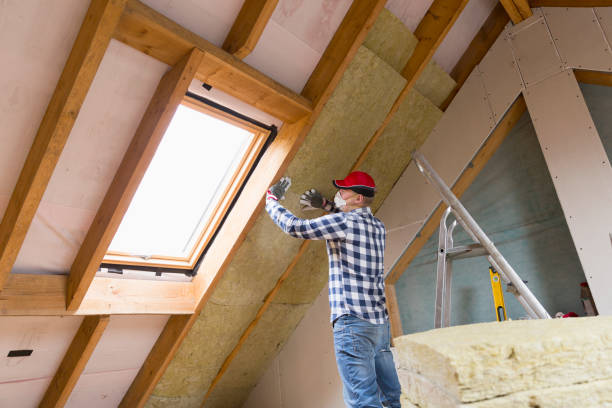
Repair vs Replacement Options for Cracked Flashing
| Problem Severity | Recommended Action | Estimated Cost* |
| Minor cracks | Resealing using high-grade caulk | $100–$300 |
| Moderate damage | Partial replacement near affected areas | $400–$900 |
| Severe deterioration | Full replacement for long-term durability | $1,000–$2,500 |
(*Costs vary based on location and scope.)
Prevention Tips for Homeowners
- Schedule periodic inspections with a professional roofing contractor (ideally every 6–12 months).
- Clear debris buildup around chimneys & vent pipes after storms/trouble spots regularly checked seasonally .
Why Fascia Boards Are Crucial for a Durable and Aesthetic Roofing System
Fascia boards are an integral component of any roofing system, yet they often go unnoticed until issues arise. These boards serve both functional and aesthetic purposes, providing structural support for the roof while enhancing the overall appearance of your home. Below, we explore their importance in greater detail and why proper installation and maintenance are essential.
What Are Fascia Boards?
Fascia boards are the long, horizontal boards that run along the lower edge of your roofline. Typically made from wood, PVC, or aluminum, they are mounted where the roof meets the exterior walls of your home. Working in tandem with soffits and gutters, fascia boards help create a barrier between external elements and your home’s interior.
Functions of Fascia Boards
- Structural Support: Fascia boards provide a stable base for gutter systems to attach to. They ensure that gutters can handle rainwater effectively without sagging or detaching.
- Protection Against Water Damage: By sealing off exposed edges of roofing materials, fascia boards prevent water from infiltrating your home’s structure.
- Aesthetic Appeal: Clean and well-maintained fascia contributes to a polished exterior appearance by covering exposed rafters.
- Ventilation Management: When paired with soffits, fascia helps regulate airflow through attic spaces, reducing humidity that could lead to mold or mildew.
Common Types of Fascia Materials
| Material | Durability | Maintenance Required | Cost |
| Wood | Moderate | High | Moderate |
| PVC (Vinyl) | High | Low | Affordable |
| Aluminum | High | Low | Higher End |
| Composite | Very High | Low | Expensive |
Each material has its own advantages depending on factors such as climate, budget, and desired aesthetic.
Why Maintenance Is Essential
- Rotting: Wooden fascia is particularly vulnerable to moisture damage if not sealed properly or inspected regularly.
- Pest Infestation: Damaged or aging fascia can allow birds or insects to access roof cavities.
- Gutter Failure: Loose or rotted fascia may cause gutters to detach during heavy rainfall.
- Curb Appeal Issues: Cracked or peeling paint on fascia compromises the visual appeal of your home’s exterior.
- Inspect fascia boards annually for signs of rot, cracks, or peeling paint.
- Repaint wooden fascia every 3–5 years with weather-resistant coating.
- Clear debris from gutters regularly to prevent water accumulation near fascias.
Enhancing Aesthetic Appeal with Fascia Design Choices
- Installing color-matched fascias that complement siding and trim.
- Opting for custom-shaped profiles for added texture along rooflines.
- Using wood-grain finishes in vinyl materials for a natural yet durable look.
Investing in high-quality materials combined with routine maintenance ensures that fascias not only protect but also enhance the value of your home over time.
By understanding their role within your roofing system—both structurally and aesthetically—you can make informed decisions about installation practices and upkeep strategies tailored specifically to your property’s needs.
The Growing Popularity of Mono Pitched Roofs in Modern Roofing Designs
Mono pitched roofs, also known as shed roofs or skillion roofs, are gaining widespread attention in modern architectural design. Their simple, sleek, and minimalist appearance makes them an appealing choice for contemporary homes and commercial buildings alike. Beyond aesthetics, mono pitched roofs offer a range of functional benefits that contribute to their growing popularity.
What is a Mono Pitched Roof?
A mono pitched roof consists of a single sloping surface that typically spans from one side of the structure to the other. Unlike traditional gable or hip roofs with multiple slopes, the mono pitch design is straightforward, making it ideal for modern structures.
Key characteristics include:
– Single slope: A single plane that angles downward toward one side.
– Minimalist aesthetic: Clean lines that complement contemporary architecture.
– Flexibility: Suitable for various building types, including houses, offices, and extensions.
Advantages of Mono Pitched Roofs
- Energy Efficiency
– The sloped design allows better control over natural light by incorporating larger windows on the higher wall beneath the pitch.
– Effective drainage reduces water pooling during heavy rainfall, helping minimize potential damage and heat loss caused by leaks or dampness. - Cost-Effectiveness
– Simpler design typically requires fewer materials compared to complex roof structures like gabled or mansard designs.
– Reduced installation labor lowers overall project costs without compromising durability. - Versatility in Design
Mono pitched roofing works well with both urban and rural settings due to its adaptable nature:
– Ideal for solar panel installations due to its angular orientation toward sunlight. – Offers ample interior headspace for loft conversions or vaulted ceilings. - Environmentally Friendly Construction Options
This popular roofing style is often integrated with sustainable materials like metal sheets or eco-friendly tiles—appealing to homeowners looking for greener options.
Comparing Mono Pitched Roofs With Other Roofing Styles
| Feature | Mono Pitched Roof | Gable Roof | Flat Roof |
| Design Complexity | Simple | Moderate | Very Simple |
| Material Costs | Lower | Medium | Lower |
| Drainage Efficiency | High | High | Low |
| Aesthetic Appeal | Modern & Minimalist | Traditional | Industrial/Modern |
Potential Drawbacks
- Wind Resistance Challenges: The single-slope design may not be as aerodynamic as gable or hip styles in high-wind areas.
- Limited Attic Space: Compared to multi-sloped designs like gables, usable attic space may be restricted under a mono-pitch setup.
- Snow Accumulation Risks (in colder climates): Depending on slope angle and material choice, snow buildup at the lower edge can become problematic if not addressed through proper maintenance.
Why Choose a Mono Pitched Roof?
Homeowners and architects alike are gravitating toward mono pitched roofs because they align with both functional needs and modern design trends: simplicity paired with innovation. Whether you’re embarking on new construction or renovating an existing structure with updated aesthetics and energy efficiency in mind, this roofing option offers a strong case for consideration.
7 Key Differences Between Tiled Roofs, Slate Roofs, and Flat Roofs to Consider Before Installation
Choosing the right roofing material is a critical decision for any property owner. Tiled roofs, slate roofs, and flat roofs each offer distinct advantages and challenges that suit different needs. Understanding these differences can help ensure you make the best choice. Below is an in-depth comparison of these three popular types of roofing systems.
Material Composition and Appearance
- Tiled Roofs: Typically made from clay or concrete, tiles come in a range of colors and styles to match various architectural designs. Tiled roofs are known for their traditional aesthetic and durability.
- Slate Roofs: Slate is a natural stone material that exudes luxury and elegance. Its distinctive texture makes it a premium choice for homeowners seeking a timeless look.
- Flat Roofs: Flat roofs often use materials such as single-ply membranes (e.g., EPDM or TPO), modified bitumen, or built-up roofing (BUR). These materials emphasize functionality over appearance.
| Roofing Type | Material Example | Aesthetic Style |
| Tiled Roof | Clay or concrete tiles | Traditional, customizable |
| Slate Roof | Natural stone | Luxurious, high-end |
| Flat Roof | EPDM/TPO/BUR | Minimalist, modern |
Installation Complexity
- Tiled Roofs: Installing a tiled roof requires precise placement to ensure proper alignment while accounting for weight distribution. Professional expertise is essential to avoid structural issues.
- Slate Roofs: Among the most labor-intensive options due to its weight and need for precision cutting. Each slate piece must be handled carefully during installation.
- Flat Roofs: Easier to install compared to pitched roofs. However, proper sealing is crucial to prevent water pooling or leaks.
Durability and Longevity
- Lifespan: 50+ years with proper maintenance.
- Highly resistant to weather elements such as heavy rain and UV rays.
- Lifespan: 75–100 years or more when installed correctly.
- Exceptionally durable but can be prone to cracking if impacted by heavy objects.
- Lifespan: Typically ranges from 15–30 years depending on the material used.
- More susceptible to leaks if not maintained regularly.
Cost Considerations
The cost of materials and installation varies widely based on roof type: – Tiled Roofs: Moderate pricing; suitable for mid-range budgets. – Slate Roofs: The most expensive option due to material cost and labor intensity. – Flat Roofs: Generally more affordable upfront but may require frequent maintenance.
Maintenance Needs
Regular maintenance ensures all roof types perform optimally: 1. Tiled roofs require periodic checks for cracked or displaced tiles. 2. Slate roofs demand careful inspection due to their fragility under forceful impact. 3. Flat roofs should be monitored for water drainage issues or membrane wear.
Suitable Applications
Each roof type suits different property styles: – Tiled roofs are ideal for residential homes with traditional designs.
– Slate enhances historical buildings or upscale properties with its classic appeal.
– Flat roofs work well on commercial buildings or modern residences due to their minimalist style.
By considering these factors—materials, durability, cost, maintenance needs—you can select the roofing system that aligns best with your functional requirements and aesthetic preferences. Proper planning ensures your investment delivers both long-term performance and visual appeal.
How Poor Workmanship from Past Repairs Can Lead to Long-Term Roofing Problems
Poor workmanship during past roofing repairs can lead to a variety of long-term complications that not only affect the structural integrity of your roof but also impact the value and safety of your home. Even small mistakes made during the installation or repair process can result in expensive fixes down the line. Below, we explore how low-quality workmanship can contribute to ongoing roofing issues and what homeowners can do to prevent these problems.
Common Issues Stemming from Poor Workmanship
- Incorrectly installed shingles, tiles, or flashing may leave gaps, leading to water ingress.
- Misaligned materials compromise both aesthetics and functionality.
- A poorly sealed roof may fail to provide protection against environmental factors like rain, snow, and wind.
- Inadequate sealing around vents, chimneys, and skylights often results in leaks.
- Low-grade materials may deteriorate faster than expected under harsh weather conditions.
- Cheap replacements for damaged tiles or shingles might not match the durability or quality of original materials.
- Flashing that is incorrectly placed or poorly secured leads to water pooling at critical points on your roof.
- Ongoing exposure to moisture can cause rusting and other structural damage over time.
- A lack of proper ventilation can trap moisture inside your attic, resulting in mold growth and wood rot.
- Over time, this reduces the lifespan of both your roofing system and supporting structures.
Long-Term Consequences of Poor Roof Repairs
| Problem | Potential Long-Term Impact | Estimated Repair Costs* |
| Water Leaks | Mold growth, ceiling stains, structural damage | $500–$3,000 (depending on extent) |
| Deteriorating Flashing | Increased risk of water penetration | $200–$1,000 per section |
| Shingle/Tiles Misalignment | Reduced energy efficiency | $300–$2,000+ |
| Attic Moisture Build-Up | Wood rot; pest infestations | $1,000–$5,000+ |
*Costs vary based on location and severity.
How Homeowners Can Avoid Future Problems
- Hire Certified Professionals: Always select licensed contractors with a proven track record for quality work.
- Request Detailed Inspections: Before committing to repairs or replacement jobs, request a full inspection report highlighting potential vulnerabilities.
- Ask About Materials: Inquire about material quality and warranties offered by manufacturers.
- Review Contractor Work: After repairs are completed, inspect key areas such as flashing installation around vents and chimneys.
Signs Your Roof May Have Suffered from Poor Repairs
If you notice any of these red flags after previous repair work was done:
– Persistent leaks despite recent fixes. – Uneven appearance due to misaligned shingles or tiles. – Rusted flashing around edges or openings.
Addressing these issues immediately minimizes further complications while maintaining the long-term health of your home’s roofing system.
By taking proactive steps when selecting contractors and emphasizing quality over cost-cutting measures upfront, homeowners can avoid many risks associated with poorly executed roof repairs.
- 10 Common Roof Repair Issues That Demand Immediate Attention by a Minneapolis Roofing Company
- Key Components of Your Roof and Materials Explained by a Minneapolis Roofing Company
- Efficient Roof Repair Solutions for Common Roofing Problems and Long-Lasting Results
- Understanding Roof Repairs: Choosing a Minneapolis Roofing Company or DIY Solutions
- Identifying Key Warning Indicators: When to Call a Minneapolis Roofing Company
- How to Spot Roofing Issues with Help from a Minneapolis Roofing Company
- The Importance of Hiring a Licensed and Insured Minneapolis Roofing Company for Your Home
- Top 5 Preventive Tips from a Roofing Contractor Minneapolis MN Every Homeowner Should Know